

The Cotswold Wildlife Park, The Ernest Cook Trust, The Trustees of Bradwell Grove Settlement; plus participating landowners, farmers and ecological specialists. Landscape designers Diggs & Co. on the masterplan.
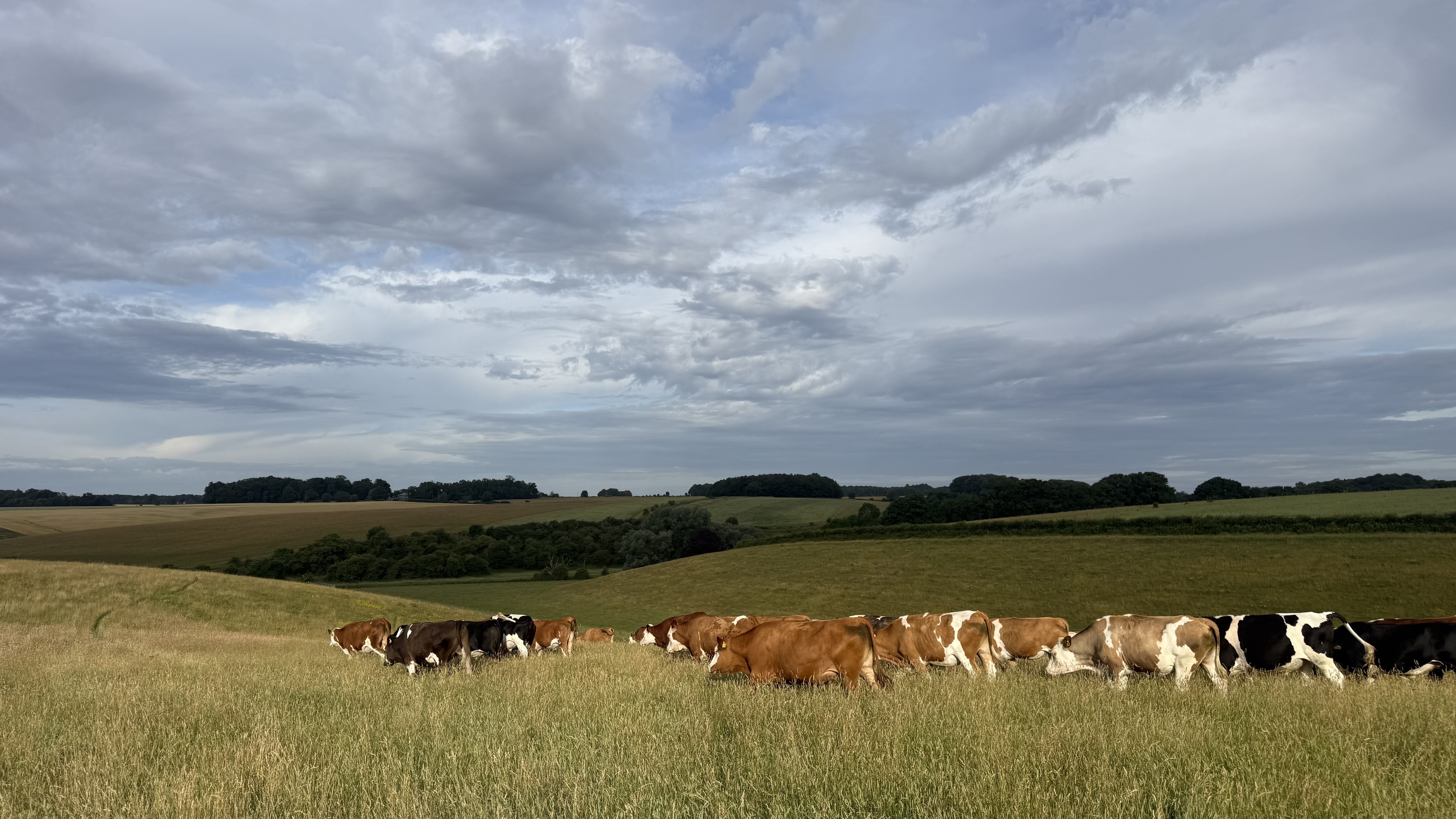
The Cotswold Savannah Project is an ambitious, landscape scale nature recovery and regenerative farming initiative spanning approximately 2,000 hectares of the Cotswolds around Bradwell Grove Estate, near Burford.
Across the Cotswolds, once rich limestone grasslands have become fragmented, hedgerow networks have deteriorated and wildlife populations have become increasingly isolated. The Cotswold Savannah Project has a simple but ambitious goal: to reconnect this landscape and restore nature at scale, while keeping productive farming and nutritious food at its heart.
The project will create and reconnect a diverse mosaic of habitats, including species rich calcareous grassland, silvopasture, wet pasture, seasonal wetlands, hedgerows, riparian corridors and dynamic scrub. Together, these will form a more connected, resilient and productive landscape - demonstrating that food production, nature recovery and climate resilience can thrive together.
At the heart of the project is the restoration of natural ecological processes through adaptive grazing, using livestock as an active conservation tool. Headline ambitions include the recovery of iconic farmland birds and pollinators - from corn bunting, lapwing and grey partridge to chalkhill blue, Adonis blue and marsh fritillary butterflies. Alongside species recovery, the project will rebuild soil health, improve water infiltration and retention, increase carbon storage and strengthen ecological connectivity across one of England's most important lowland limestone landscapes.
Importantly, this is a farmer led project grounded in practical delivery. Working farms and land managers bring the experience required to turn ecological ambition into lasting change on the ground. A comprehensive ecological baseline and landscape masterplan are currently underway, providing the evidence against which future interventions, investment and outcomes can be measured.
A defining strength of the Cotswold Savannah Project is its landlord tenant partnership. Bradwell Grove Farms and Macaroni Farm are working alongside their landlords, the Trustees of Bradwell Grove Settlement and the Ernest Cook Trust, aligning farming, landownership and conservation interests around a shared long-term vision. This provides the scale, continuity and commitment needed to deliver meaningful landscape recovery over decades rather than individual funding cycles. Working collaboratively with the Cotswold Wildlife Park and recently approved to feature within the Big Chalk Partnership, the project is developing a dedicated governance structure to oversee long term investment, monitoring and delivery across multiple holdings.
The ambition extends beyond biodiversity. The project will seek to deliver measurable social impact through education, public engagement, access to nature and opportunities to reconnect people with farming, food and the natural environment. Ultimately, the Cotswold Savannah Project aims to demonstrate what becomes possible when farmers, landowners, conservation organisations, communities and investors work towards a shared vision: a thriving landscape that produces nutritious food, supports abundant wildlife, stores water and carbon, builds resilience to a changing climate and delivers lasting value for society.
The Cotswold Savannah is not simply about protecting what remains. It is about rebuilding a functioning landscape - and creating a practical, investable and replicable model for nature positive farming across the Cotswolds and beyond.

.png)