

Benson and Area Nature Group; Benson Parish Council; Ewelme Parish Council; Chiltern Society
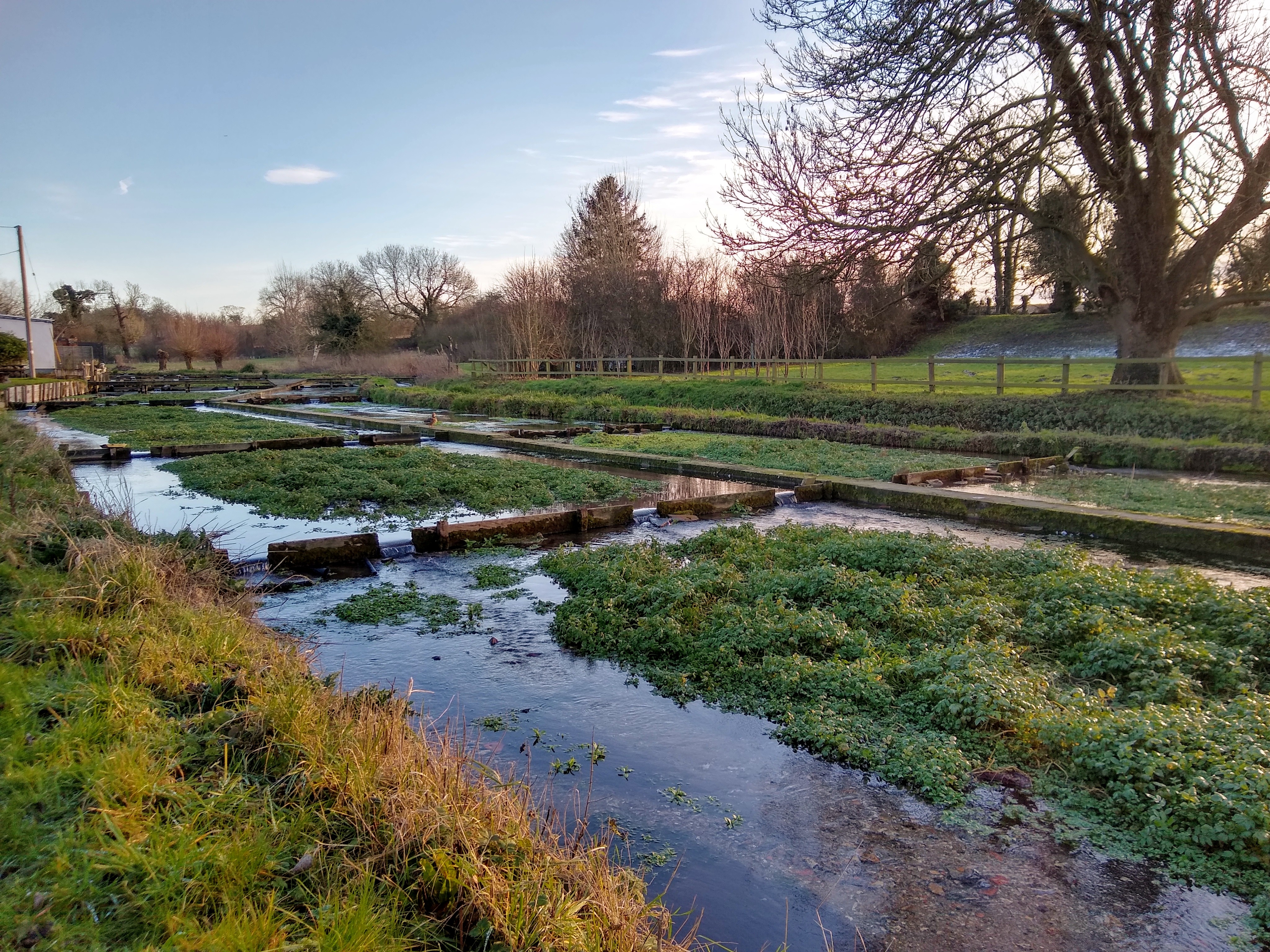
The Ewelme Brook rises at the base of the scarp slope of the Chilterns escarpment and flows westwards to meet the River Thames at Benson. As a scarp slope stream it has remarkably consistent flow, with no real winterbourne (seasonally dry) section - an unusual and valuable characteristic among Chilterns chalk streams. The brook supports a rich variety of wildlife including kingfisher, little egret, water rail, otter, and a fish community of brown trout, bullhead and stone loach, with the surrounding downland supporting silver-spotted skipper and dark green fritillary. The project’s heritage is equally distinctive: watercress production was a thriving local industry throughout the twentieth century, with the Ewelme watercress beds supplying markets as far away as Covent Garden.
Despite these qualities the brook faces significant pressures, and there is huge local interest in enhancing this very special habitat. It has been straightened and modified over the years, with many banks now vertically reinforced in brick or concrete, and culverts and weirs limit the movement of wildlife along its length. Water quality is affected by road run-off and surface water drains, and its Water Framework Directive status is moderate, with fish and phosphate results preventing classification as good. Sediment accumulation has reduced the availability of the clean gravel beds that brown trout need to spawn. In places the brook has been completely cleared of in-channel vegetation such as water crowfoot, and marginal and bankside vegetation is lacking. A water vole population was present until 2012 but has been lost to habitat fragmentation and pressure from American mink, and American signal crayfish are established as a further invasive non-native species.
The catchment plan responds to these issues through seven areas of action: improving habitat; morphology and barriers; engaging people; improving water quality; managing flow; control of invasive non-native species; and conserving heritage. Across ten sites on the brook, the project aims to intervene to improve habitat and preserve heritage, working with experts, local communities and volunteers. This work is reinforced by catchment-wide initiatives from the Chilterns Chalk Streams Project, including encouraging good management of chalk streams in residents' gardens, removing barriers where practical, and extensive monitoring. On the Ewelme Brook this monitoring includes monthly Riverfly monitoring and Modular River Surveys.
For nearly 30 years the Chilterns Chalk Streams Project (CCSP) has worked to conserve,enhance and raise awareness of this globally important habitat.CSSP does this in a number of ways: carry out practical conservation andriver restoration work, and offer management advice to riverside landowners; providetraining and conduct surveys of wildlife and habitat condition; deliver schoolvisits and provide educational resources; and work with local communities toraise awareness of chalk streams and the threats they face. The CCSP hasdeveloped catchment plans for four of the nine rivers of focus, and has securedmulti-year funding arrangement for two of these (The River Chess and RiverMisbourne).

.png)